Detroit’s complex legacy in the National Florence Crittenton Mission

In researching material for my forthcoming book on the institution of American adoption, I have been collecting stories along with historical documentation and photos of the hospital where I was born in Detroit. [Author’s note, March 2019: my book is now available in paperback and ebook; you can also find an updated version of this article, with footnotes and a bibliography on my book website.]

Florence Crittenton Home and Hospital Detroit, 1932. Source: Fifty Years' Work with Girls, 1883-1933: A Story of the Florence Crittenton Homes
The Florence Crittenton Home and Hospital in Detroit, taken in 1932. Source: Fifty Years’ Work with Girls, 1883-1933: A Story of the Florence Crittenton Homes.

At the time of my birth, the facility was called Crittenton General Hospital. It was created by the National Florence Crittenton Mission, a group started in 1883 to serve prostitutes, fallen and vulnerable women, and women who were pregnant out of marriage. This was a social group who were exploited and scorned, and the organization sought to assist them by giving them shelter, training in remedial women’s occupations, and, if possible, the space to build new lives.

As the mission’s 1933 publication states, the organization sought to rescue “young girls, both sinned against and sinning,” and to restore “them to the world strengthened against temptation and fitted in some measure to maintain themselves by work.”

In 1933, a half century after its founding, the organization had already served half a million women. Nearly all were white, and they were cared for around the country and even Canada–from sunny Florida, to rainy Oregon, to my home state of Michigan.

The Crittenton mission was uniquely reformist in the American progressive tradition. It was also deeply faith-based. Its strong public-health orientation proved equally important. It tried to improve the health and livelihoods of vulnerable groups and took an active role in training the newly created class of professional social workers.

Source: Fifty Years' Work with Girls, 1883-1933: A Story of the Florence Crittenton Homes.
Source: Fifty Years’ Work with Girls, 1883-1933: A Story of the Florence Crittenton Homes.

This combination made it a distinctly American institution. It touched the lives of generations of women who passed through its doors, and equally the children who were born either at the Crittenton homes and hospitals or cared for before and after the mothers’ pregnancies.

I am one of those persons who benefited from the organization’s original charitable mission. I was born in one of its hospitals.

But the organization’s much later and more hidden role in promoting adoption as a “solution” to out-of-wedlock pregnancies by the early 1960s had a much larger role. The solution in my case led to my relinquishment into foster care and eventual adoption. The hospital’s transformation during the boom years of American adoption occurred in the years surrounding my birth. Shortly after, in 1971, the hospital severed its ties with the national organization, ending an important chapter for an institution that played a critical role in Detroit’s social and medical history.

Preaching the gospel and saving lives

The mission began in New York City, under the guidance of businessman Charles Crittenton. A deeply evangelical man, he committed to helping one of society’s most vulnerable groups after the death of his 4-year-old daughter Florence from scarlet fever. Her demise created a deep bout of anguish. His autobiography describes how he turned to solitary prayer and saw the light, leading to his future mission. Today that mission lives on in the National Crittenton Foundation, now located in Portland, Oregon, my current home town. It is now dedicated to serving young women who are victims of violence and childhood adversity.

Charles Crittenton, founder of the Florence Crittenton Mission.
Charles Crittenton, founder of the National Florence Crittenton Mission.

At its start, in 1883, Crittenton worked the streets and promoted the Christian gospel, specifically to combat prostitution and provide service to exploited women and girls. The organization’s 50-year summary notes, “In its beginning the objective of Florence Crittenton efforts was the redemption of the fallen woman, the street-walker, and the inmate of houses of prostitution. The great agency in such redemption was the simple one of religious conversion.”

The organization slowly expanded its efforts, finding champions in many U.S. cities: St. Petersburg, Detroit, Boston, Nashville, San Francisco, Phoenix, Portland, and more.  By 1895 he was joined by activist Dr. Kate Waller Barrett, with whom Crittenton corresponded. She later became the only woman on the national Crittenton board, after it was incorporated by Congress in 1898.

The mission was involved in  anti-prostitution efforts during the early 1900s and focussed on training that would enable women to leave prostitution. Its primary focus remained on the rescue and care of unwed mothers, providing them appropriate medical care, and their right to raise their children free from the scorn of society.
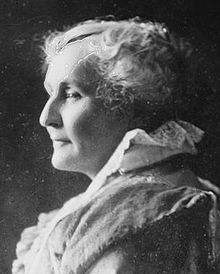
Kate Waller Barrett, former president of the National Florence Crittenton Mission.

By the 1920s, Crittenton policy opposed separating a mother and child for adoption and believed that children should be kept with their birth mothers. As the mission’s 50-year history notes that promoting this policy helped to deepen the “love of the mother for her child and strengthening her desire to keep her baby.”

Motherhood was viewed as a means of reform. A Crittenton home became the place to promote both responsible motherhood and self-support. “Our girls need the influence of child-life upon them. They need to have the qualities that are essential to a strong, well-regulated character trained in them,” wrote Barrett in an undated pamphlet that described the mission’s philosophy of keeping mother and child together.

Crittenton combats the stigma of illegitimacy and helps “fallen women”

Nationally, the mission also sought to combat societal stigma for children associated with illegitimacy. By the second decade of the 20th century, publicized exposes had revealed the horrors of illegitimately born babies–the bastard children scorned by family, church, and most of society in the United States.

One highly publicized 1914 report called the Traffic in Babies by Dr. George Walker reported virtual charnel houses for unwanted, abandoned, and illegitimate children. These reportedly operated to “save” the single women from the disgrace of being unmarried mothers. The mortality rate of the relinquished bastard children was as high as 80 percent. Some doctors, nurses, midwives, clergymen, and hospital administrators actively referred the disgraced mothers who had sex out of marriage and became pregnant to these lethal, for-profit baby shops. Some hospitals even made money secretively moving the unwanted children from hospital wards to the unsanitary baby homes where most died.

Thc Crittenton mission clearly understood that the stigma of illegitimacy for out-of-wedlock babies was the driving force that demonized both mother and child. Prophetically, the mission in 1933 foretold of larger changes a half century later. The mission’s 50-year history notes: “Nothing short of a revolutionary charge in the mores of the American people will put the unmarried mother on a par, socially, with the married mother. Until such change shall be effected and there is no longer any such person as an illegitimate child, the mother without a marriage ring will continue to be looked at askance by a large proportion of the population and will suffer, even occasionally to the point of suicide, the shadow of social and family disgrace.” By the 1990s, single parenthood largely was de-stigmatized, with one in every three children in the United States being born outside of marriage.

Barrett headed the mission after Crittenton’s death in 1909. She passed away in 1925. By the 1930s, when these photographs were all taken, the organization was providing charitable service to assist those “fallen women,” in order “to restore to her, as far as possible, this most precious asset of a respected standing in society.” At this time, this still meant keeping the mother and child together.

(Click on each photograph to see a larger picture on a separate picture page.)

These pictures of the Florence Crittenton homes, published by the mission, reveal they projected a public image of being well-to-do. The facilities were all found in respectable areas, but had their actual mission hidden by the facade of upper-class and upper-middle-class gentility.

Well-to-do business people contributed to these charitable facilities in the cities where they operated, including my current home town of Portland. Detroit’s efforts at fund-raising, thanks to the Motor City’s new-found wealth from its booming automotive manufacturing sector, led to $700,000 to support the construction of a new hospital–a feat no others could match.

Crittenton General Hospital, the largest in the United States

The first Crittenton home in Detroit opened in 1897 over a store on what is now Broadway Avenue. The operation expanded and moved to a Victorian mansion on Brush Street, also in downtown Detroit. Within six years, it had outgrown its capacity. At any given time, the home was caring for 33 women, not counting the children, according to the mission’s published records. Thanks to the successful fund-raising efforts by the city’s wealthy to support women’s organizations, $700,000 in donations helped to secure land and build a new facility. This was meant to replace the old home, which was reportedly then in a “colored section” of the city. In 1907, the mission opened the Florence Crittenton Hospital on East Elizabeth Street. It offered inpatient and private patient care for indigent and unwed mothers. By 1922, it was offering up to 30 beds for mothers and their children.

National Florence Critttenton Mission convention, 1932, Detroit.

The hospital and home on Brush street had already become established as a facility that trained new or resident obstetrician. It was certified by the board of health governing local clinics and affiliated with the Detroit College of Medicine and Surgery. By 1927, the hospital had outgrown its capacity to meet the need to serve vulnerable women.

The new Florence Crittenton Home and Hospital, as it was identified in the mission’s records, was opened in 1929 at 1554 Tuxedo Avenue, about three miles from downtown Detroit. The new facility had three wings. Two of the facility’s wings were devoted to the care of the single and pregnant women and their infants. The mission’s records from 1932 note these two wings had 115 dormitory beds, 100 cribs, 40 bassinets, and a nursery that served this ever revolving population. Special recreation rooms were devoted to caring for the infants, and the roof was used for playtime and exposing the babies to sun and air.

According to the mission’s records, the hospital supplemented its operational costs with a third wing. It offered medical care mostly to lower-income women and children and was certified by American College of Surgeons. However, the third wing was separate from the two wings for the unwed women. The public wing also focussed on maternal care and general surgery.

By 1950, the hospital had to expand yet again to meet the growing demand for services. A separate maternity home called the Florence Crittenton Maternity Home, located at 11850 Woodrow Wilson, was built and opened in 1954. It was less than half a block from the hospital, which was then calling itself Crittenton General Hospital. The hospital and maternity home were connected by a service tunnel. The home could accommodate up to 60 young women, who had semi-private rooms. The home offered them class instruction, an auditorium, a dining facility, and even a “beauty shop,” according the mission’s records.

“Every effort was made to maintain a homelike atmosphere for the patient,” according to the official records. In reality, the young women were cut off from family and friends and faced with one of the most momentous decisions of their lives. In many cases, they would be pressured by a social workers, maternity staff, and medical professionals to relinquish their infant children to adoption.

Crittenton General Hospital was the largest of all Crittenton facilities in the country in the 1950s. Crittenton maternity homes–and in the case of cities like Boston and Detroit, combined Crittenton homes and hospitals–had become way stations. Pregnant women from their teens to their early to mid-20s stayed out the last days, weeks, or months of their pregnancy.

Meanwhile the hospital was reorganized after the home had opened. Only one floor of one wing was reserved for “unwed mothers,” like my birth mother. These single women  mostly stayed at the maternity home next door. I was born in that wing dedicated to single women, most of whom would never see their children again. There was also a nursery to care for babies. The rest of the hospital’s 194 beds provided private hospital care, including obstetrics, surgery, and pediatric services.

The hospital also continued to be a training facility for residents, from the University of Michigan and Harper Hospital. In my case, the obstetrician who delivered me was completing a residency. He came from overseas, like many other doctors who arrived in the United States and were employed to serve low-income and high-needs patients in inner-urban and rural hospitals.  When I contacted him for an interview, he told me how the hospital provided basic maternal services but also doubled as a residence to single and pregnant women, who lived next door at the home. He remembered the many “girls,” as he called those young, pregnant boarders. He suggested they worked in the facility, likely to pay part of their expenses.

In many cases by the 1960s, those women who stayed at Crittenton homes and hospitals were relinquishing their children to adoption agencies, at the urging of social workers, family, faith-based groups,  churches, and the systems that were created to address out-of-wedlock marriage and illegitimate children. This marked a radical change from the original Crittenton mission to keep mothers and children together. This coincided with societal change that led to hundreds of thousands of unplanned pregnancies and the American social engineering experiment that promoted adoption as “the best solution” to both restore fallen women and find homes for the estimated 2.4 million illegitimately born babies placed for adoption from 1951 through 1973, the year of the landmark Roe v. Wade decision legalizing abortion in the United States.

One Crittenton center, in Sioux City, Iowa, claims that 98 percent of Crittenton babies were given up for adoption after World War II. (To learn more about how maternity homes functioned in the era of adoption shame and secrecy from the 1950s through 1973, read Anne Fessler’s The Girls Who Went Away.)

A shot of some of the tens of thousands of babies relinquished for adoption through the maternity care facilities run by the National Florence Crittenton Mission. (Source: SIoux City Journal, "Wife of Nobel winner started life at Crittenton Center," Sept.18, 2011.
A shot of some of the tens of thousands of babies relinquished for adoption through the maternity care facilities run by the National Florence Crittenton Mission. (Source: Sioux City Journal, “Wife of Nobel winner started life at Crittenton Center,” Sept.18, 2011.

Crittenton’s legacy serving single, pregnant women disappears from history

A couple of years after I was born, the Crittenton hospital had moved from its inner-city Detroit environs to suburban Detroit, in Rochester. It became known as Crittenton Hospital Rochester. This came immediately after deadly race riots in 1967 that shook the city and left 43 dead and burned more than 1,000 buildings. Detroit was beginning a five-decade-long decay as a once great American city to one that has seen its population fall from 1.8 million souls in 1950 to less than 700,000 as of 2015.

The city’s declining population and expenditures made the Crittenton General Hospital in Detroit too expensive to operate. Occupancy dropped in half by 1973. The Detroit hospital permanently shuttered its doors on March 22, 1974. At the time, I was still a young boy in the St. Louis area. I was completely oblivious to my true origins as a Detroit adoptee who was born and then surrendered into the status of foster child at one of the nation’s preeminent maternal care facilities that promoted adoption. Only decades later I finally pieced together my life and discovered that I literally arrived into the world at the center of the American Adoption experience and experiment.

In 1975, the facility that served as the starting place in life for a generation of adoptees was demolished. The home remained open, run by the Henry Ford Hospital. Though Crittenton General Hospital was reduced to rubble and built over, its ghosts linger in the memory of thousands who were born there or who gave birth there. The former locations today of the hospital and home look more like a war zone, due to Detroit’s struggles to address economic decline and blight.

The suburban hospital that fled from the Motor City is now called Crittenton Hospital Medical Center. The facility’s current web site shows no record how the former and original Detroit facility once served a critical societal and local need helping vulnerable women and children.

Throughout August 2016, I have reached out with multiple emails and phone calls to the hospital in and its communications staff. I have not received any answer to many questions I submitted concerning the hospital’s older records about its service to those woman and adoptees like myself. I did receive some copies of official of pages from an official National Florence Crittention Mission commemorative book, but no answers concerning the number of births and adoptions that were performed at the hospital. I was told in one curt email reply, “Unfortunately we have no historian on staff, however, the website does have a brief description of our history. … Good luck with your endeavor.” Those birth and adoption records may not be available, or the hospital may be intentionally choosing not to draw attention to its former mission serving single, pregnant women and their bastard babies, like me.

The hospital in 2015 reportedly was bought by the St. Louis-based Ascension Health, a Catholic-run care system. It seems far from coincidental that a Catholic-run medical system would downplay or even omit critical historical information how one of its facilities had dedicated decades of service to those who got pregnant out of marriage and paid the terrible price that many organizations, including America’s many Christian faiths and institutions, exacted on those woman and their children. As an adoptee, I find this deeply saddening and at the same time no surprise at all.

It appears the shame and stigma of illegitimacy that the original founders of the mission sought so hard to overcome have not gone away at all in 2016. I doubt any of the tens of thousands of Crittenton babies like myself are surprised.

Note: All of these archival photos of the Crittenton facilities are taken from the 50th anniversary publication by the National Florence Crittenton Mission called Fifty Years’ Work with Girls, 1883-1933: A Story of the Florence Crittenton Homes.

This article was first published on Sept. 3, 2016. It was last updated on Sept. 13, 2016, after I found additional original source material outlining the history of the Crittenton mission in Detroit. I have found two different names for the hospital of my birth: Crittenton General Hospital and Detroit Crittenton Hospital. Because of this inconsistency in officials records, I have updated this blog and will use the former, which is cited more frequently.


Getting what has always been mine–my original birth certificate

Rudy Owens and Birth Certificate
Rudy Owens holds a copy of his original birth certificate (some info whited out intentionally). Michigan denied my human right to my birth record for 27 years. They failed. I did not.

There are few documents in life that have as much magical power and significance as an original birth certificate. They are perhaps more talismanic for adoptees in the United State because most adopted adults born after the 1950s were prohibited by law from ever getting their original identity documents. I was one among millions of them.*

As an adoptee born in Michigan before the 1970s, I came into the world at a time when single mothers were shamed and bastard infants posed a moral hazard and strange, undefined threat to society. I was placed for adoption and had my human right to my original identity document taken from me. Denying me my record was more than a solitary injustice. It was a daily reminder of the inequity into which I established an identity cut off from my ancestral human past

The intention by state lawmakers in Michigan and around the country from the 1950s on was to ensure I and millions of other adoptees in nearly every state never knew who we were. The unstated but intended goal was to keep that document hidden forever from me until the day I died. This was a complete 180-degree policy turn from practices that allowed adoptees and their birth mothers to have access to records up to the early 1950s.**

The hiding of original birth records was essential to one of the grandest and least publicized social experiments in recent history—modern U.S. adoption that placed strangers with new families by the hundreds of thousands. The plan failed in many ways for the many people impacted by the practice. In her testimony in 1993 against restrictive measures in Colorado to limit adoptees’ rights to their records, adoptee right activist and pioneer Jean Paton said, “When the records were put under seal, it was an experiment in Utopia. It was a destructive error, and should be remedied by a sweeping cure … .” That cure has still never come, and persons like myself and thousands of others of Michiganders in the decades surrounding my birth are denied equal rights to their birth records, simply by the status and year of their birth, according to state law.

It’s all about ‘power’

On July 18, 2016, decades after first being denied what should have been given to me in 1989 by the State of Michigan and its public health bureaucracy, I received the original record of my birth as a person who came into this world. It is a sheet of paper with a name connected to biological families, a lineage, and a larger human story of kin and family networks over time. I was not a state secret. Nor was I ever a blank slate, to be “reborn” as many evangelical adoption activists falsely believe, as an unnamed person with a new name and an amended certificate. I was who I always was. By asking for what was already mine, I never demanded anything more than what any U.S. citizen asks for: equality under the law.

The state still claims this one sheet of paper literally must be kept secret in a locked box or file, withheld from me because of a “law.” The state asserted its paternalistic power without ever showing any peer-reviewed evidence, policy rationale, or demonstrated benefit how the state or my birth mother and family are helped by actions that represent an extreme interpretation of some very outdated and harmful laws.

When I attempted to interview State Registrar Glenn Copeland on July 22, 2016, his employer, the Michigan Department of Health and Human Services (MDHHS) refused to allow him or anyone else to speak to me about the department’s management of adoptees’ birth records and requests by adoptees to get their original documents. MDHHS press officer Jennifer Eisner issued a statement on July 27, 2016 defending the state’s position: “It our responsibility to carefully adhere to any and all laws of the state of Michigan. Michigan law includes specific provisions on the sealing of birth certificates in certain circumstances, such as following an adoption. … The vital records office is required to adhere to the law regarding the release of original records.” In short, this was the talking point shared with me on March 22, 2016, by Deputy State Registrar Tamara Weaver, who called me on the phone to share a simple message after I asked for my record: “The law is the law.”

The defense offered by the state has been and remains so flimsy and so removed from best practices, it is impossible not to conclude that Michigan discriminated against me as an adoptee, soley to preserve a perk of power. It needed to single me out to demonstrate that the state can ultimately and arbitrarily exercise its power over even law-abiding persons.

Ultimately, the state asserted its power without demonstrating compassion, leadership, or basic common sense. And it had those chances in spades. Granted this is not the moral equivalent of physical harm that many persons around the world experience daily from tyrannical and abusive governments. But the State of Michigan’s actions follow the logic used by all governments who chose to deny rights simply because they can—one of the most consistent expressions of how government works for itself and not “its subjects.”

What makes a birth certificate ‘different’

A birth certificate is the most important legal document for any American and every person born anywhere in the world. According to public health researchers Putu Duff, Santi Kusumaningrum, and Lindsay Stark, “birth registration is the first legal recognition of a child and a fundamental human right,” under the United Nations Convention on the Rights of the Child. In the United States, a government-created registration document proves you are entitled to the benefits and privileges—and responsibilities—of being a United States citizen.

One cannot obtain the most critical documents to navigate modern life without this sheet of paper: getting a U.S. passport, obtaining the standing legal identity document in the United States—the driver’s license, applying for a Social Security card, or enrolling as a child in school. One literally cannot live a modern life, including opening bank accounts, voting now in many U.S. states, accessing benefits, obtaining a job, and accessing all forms of education throughout one’s life without the cornerstone proof of legal existence that a birth certificate provides.

A birth certificate is the most crucial identity document, which allows one to get critical other documents such as a passport
A birth certificate is the most crucial identity document, which allows one to get critical other documents such as a passport, but also financial documents, Social Security numbers, and much more.

On a much broader level, as outlined by the United Nations, a birth certificate fulfills a basic human necessity. Without a certificate, anywhere in the world, a child can be denied basic human rights. They cannot get jobs, open bank accounts, obtain credit or inheritances, participate in social benefits, or be involved in political and civil affairs.

How Michigan denies adoptees their human right to a birth certificate

Before I found my birth families in 1989, the MDHHS, my adoption agency (Lutheran Child and Family Services), and the Wayne County Probate Court did everything in their power to keep me from knowing my birth family, critical family medical history, and identity.

After I met my birth mother that year, she signed a release for the state to allow for the release of my identity documents to me. I was sent formal written acknowledgement from the Michigan Department of Public Health, Office of Vital and Health Statistics. It acknowledged original information could be shared with me. This was then acknowledged in writing by the probate court and my adoption agency—they had to legally comply and turn over what was mine, though begrudgingly. I received copies my original adoption decree, birth medical history, and all other identifying information—including the names of my birth father, birth mother’s family, and records of my first year of life that were intentionally kept from me.

Yet the Michigan Department of Public Health, Office of Vital and Health Statistics, refused to surrender my original birth certificate, even when the fig leaf of secrecy had vanished by the events that made my adoption no longer a shameful societal secret. Adoption bureaucrats for the state of Michigan stood fast and claimed my birth certificate was allegedly “sealed,” and because I was an adoptee born between 1945 and 1980 and that state law allegedly allowed them to deny me the most important piece of paper a person can ever have. They made this defense even when I proved I knew my original birth name of Scott Douglas Owens and knew my genetic kin. [Note I have original birth records that spell my original birth name as “Douglas” and “Douglass.” I now use the former as part of my new legal name that mixed my original and adopted names: Rudolf Scott-Douglas Owens.]

‘The law is the law,’ and the abuses of an amoral, legal defense by public health authorities

In March 2016, I decided to challenge the state’s overreach and abuse of power by the Michigan Department of Health and Human Services (MDHHS), which now manages vital records. I demanded what was mine in a letter to department director Rick Lyon. You can read the details of my petition and all of my original documents on this summary page.

Three decades later, the state and MDHHS again doubled down and chose to fight my request and keep my original identity document from me, even when there was no longer any rational reason to keep a non-secret birth record from the person who knows his original birth name. The state adopted a legal smokescreen to mask arbitrary and paternalistic decisions that provide no public benefit to adoptees, birth parents, or the state.

These actions followed a long pattern of state-sanctioned discrimination against thousands of adoptees by denying them equal rights of all other residents regarding critical medical and family history—a practice that undermines public health.

The state had no compelling legal rationale to continue hiding my birth record except the claims that “the law is the law.” This is precisely the defense that has been used in some of the most egregious abuses of rights by state public officials in U.S. history. Up until the late 1970s and until a court challenges, some states practiced forced sterilization of persons deemed mentally deficient.

The practice was allowed by state laws through a national eugenics movement that began in the early 1900s. In California alone, where one-third of the estimated 60,000 state-sanctioned compulsory sterilization procedures in the United States occurred until 1979, government actions were codified in law and described as an approved public health strategy to breed out undesirable defects from the populace and to promote state health. In short, public health practices, until very recently and to this day still, have been and are still cloaked behind a rationale of being allowed by law, even when the persons implementing policy could always exercise moral judgement.

Supreme Court Edifice

All of the facts of my identify are public and had been for nearly three decades concerning my original birth name. MDHHS denied my request without a proper review of my evidence sent to Director Lyon on March 28, 2016, claiming “the law is the law.”

Even more startling was the state’s own admission in its reply to me on July 27, 2016, that state law likely was not followed by denying me my birth certificate. The department stated: “For adoptions finalized between the dates of May 28, 1945 and September 12, 1980, a court order is required unless the birth parent(s) have filed a consent to release the information. A court order would not be required if the deaths of both birth parents could be documented.” Because I had provided the department the signed legal consent by my birth mother, than it appears my records were supposed to have been shared, as far back in April 1989. I had included copies of that legal proof when I demanded my birth certificate in March 2106—and yet, the department refused to comply with how it claims the law requires vital records officials to handle requests from adult adoptees. (As of July 29, 2016, I have demanded a written explanation if the department was not complying with the law in its denial.)

Public records request reveals a fear-based bunker mentality at the MDHHS

State officials called my request and me the “problem,” “tagged” me in their system, and claimed I had “an agenda.” Nearly 20 senior officials in the MDHHS and Gov. Rick Snyder’s office were involved in denying my reasonable request and were copied in the state’s denial of my request.

This is a recent head shot of Glenn Copeland, state registrar of Michigan and the man whose name now appears on my current legal birth certificate bearing my new name, and the copy of my original birth certificate that was released and must bear the registrar’s signature and name.

I prepared a detailed account of their deliberations in a forensic analysis of personal email communications that revealed fear of me and my request by high-level MDHHS officials. They expressed uncertainty and confusion over their limited legal authority and the state’s poorly crafted adoption statutes. Two senior officials, Glenn Copeland, state registrar, and Tamara Weaver, Deputy State Registrar, also provided written remarks that suggest startling ignorance of U.S. adoption law and global trends that allow adoptees in countries like England to have full access to all their birth documents when they turn 18.

Deputy Registrar Weaver told her boss, State Registrar Copeland, that I would not be satisfied with my original birth certificate, which I had explicitly asked for. She seemed unable to understand, professionally or even compassionately, why any adoptee should have legal access to their birth records. After she called me on the telephone on March 22, 2016, without providing her name or role in managing state vital records, she wrote to her boss, “He has an agenda, nothing I would have said would have been sufficient. … I don’t think my offering him his record would have been enough for him, even though that is ultimately what he says he wants.”

Weaver also revealed in her email a lack of any knowledge of U.S. adoption history and that all adoption records were once accessible to adoptees and birth parents before the 1950s. She dismissed my detailed policy analysis I have published on discrimination against adoptees by U.S. states and adoption bureaucrats. She wrote, “Don’t know how true this angle is, but it is interesting, if you like that kind of story line.” Again, Weaver is the No. 2 in a state agency that manages vital records for all adoptees—a stunning confession. (See page 9 of my summary of state records on the denial of my request for my original birth certificate.)

MDHHS never once sought to consider alternatives they always had, including wide discretion in interpreting laws and rules—a central tenet in U.S. law and in all state and federal judicial reviews of agency actions. MDHHS officials determined from the start to deny me my record, and then they found a legal justification without reviewing all of the evidence I sent to them in an impartial manner. State Registrar Copeland sent me a stunningly obtuse letter in late March 2016 that never acknowledged the key facts of my case that were documented in legal documents in his department’s possession. He basically blew me off and expected me to go away, or maybe some day petition the court. To his dismay (also expressed in email), I reasserted professionally and respectfully my legal right to my birthright document.

The Michigan judiciary orders MDHHS to comply with my request

With no alternative available, I turned to the courts for a remedy to compel the MDHSS to give me what was mine. In April 2016 I filed a petition with the Michigan 3rd Circuit Court requesting a court order that would force the MDHHS to release a copy of my original birth certificate.

My justification to the court noted, “I am no longer wanting to accept the state’s continued unjust treatment of me simply because I am an adopted Michigan native who wants what non-adopted Michiganders receive: equal treatment under the law. A just outcome that releases the certificate to me poses no burden, meaningful cost, or harm to any party, nor the state of Michigan.” The Honorable Judge Christopher Dingell, in a telephone court hearing on June 17, 2016, agreed with facts of the case. He noted that I knew my birth name, had nearly three decades of contact with his birth families, and that the legal consent was already in state records in 1989. He signed the order requiring the MDHHS to end what I consider the illegal holding of my birth certificate and terminate decades-long discrimination against me on the basis of my status as an adoptee.

I finally get my birth certificate and what that means

I mailed the court order to the state’s vital records office on July 1, 2016, with a thick pack of documents that made absolutely clear the state had no more legal excuses to deny my birth record. On July 18, 2016, the sheet of paper, with a legal stamp from the state registrar, finally arrived in my mailbox.

Vital Records at the Michigan Department of Health and Human Services made sure to remind me that I am a bastard by placed in larged capital letters
Vital Records at the Michigan Department of Health and Human Services made sure to remind me that I am a bastard by placing in large capital letters “SEALED” three times on the copy of my original birth certificate–an act not required by state law.

I was stunned looking at the copy of my original birth certificate. The state had given me a final insult by writing three times in big bold letters, “SEALED,” as a reminder I was still a bastard and not a normal person. But underneath that insulting bureaucratic graffiti that purportedly protected the well-being of the state and its residents were all the facts I already had known for three decades. The only new information I found on the document was the full name of the attending physician, who helped to safely bring me into this world one spring day in Detroit, Michigan, many years ago.

The legal document marked my entrance into this world as a human being, with genetic kin and family histories and family members who did want to know me. It was registered as my original birth certificate about four weeks after my birth. This single sheet of paper was deemed a state secret. All my life, I was classified by law as being undeserving of this record, unlike all-non-adopted state residents, simply because I was relinquished as an infant to become an adoptee.

The only reason—and I repeat only reason—I now have possession of what is and always has been mine is because I never once recognized the legal or moral authority of the state’s so-called vital records professionals to deny me equal treatment and equal status by law. They never had that authority, and their actions over all these years demonstrate their lack of moral authority to anyone who may care about fairness and equality. By denying me my birth certificate, even when I knew my original name and birth families, they showed they had no moral center, clinging to a legalistic loin cloth and well-documented prejudice against adult adoptees who dare to say the emperor has no clothes.

I announced my victory over Michigan's adoption secrecy mongers with a Tweet--of course!
I announced my victory over Michigan’s adoption secrecy mongers with a Tweet–of course!

I immediately posted a tweet about my final clash with state records keepers. I wrote this Facebook post as well for my social network circle: “It only took 27 years, but the so-called ‘public health’ secrecy mongers in Michigan finally gave me what has been mine since the day I was born: My Original Birth Certificate. … What a waste of time and resources. Imagine all the amazing things the state could have done helping adoptees or infants or needy kids instead of treating bastards as second-class people and children. This effort was done on behalf of anyone who was denied fair treatment under the law. You are always stronger when you work on behalf of the many, instead of just yourself.”

Defeating one's dragons on a hero's journey can sometimes take years. Bureaucratic dragons can be some of the most difficult ones to vanquish. They can regenerate like a many-headed hydra, which can not fully be defeated so long as it retains one of its many heads, according to Greek mythology.
Defeating one’s dragons on a hero’s journey can sometimes take years. Bureaucratic dragons can be some of the most difficult ones to vanquish. They can regenerate like a many-headed hydra, which can not fully be defeated so long as it retains one of its many heads, according to Greek mythology.

The Governor and MDHHS refuse to answer questions on adoptees’ rights

Before I published this article, I wanted to give Michigan Gov. Rick Snyder and the MDHHS a chance to defend and articulate the state’s positions on state adoption law and practices that discriminate against adoptees by denying them equal treatment to their vital records. Laura Biehl, senior communication advisor to Gov. Snyder, did not want to make statements when contacted by phone, but did accept my written questions that asked if adult adoptees had legal rights to vital records without restrictions and if Snyder believed all persons in Michigan had the right to received equal treatment under the U.S. Constitution and state law regarding access to original vital records. She replied on July 26, 2016, with a statement: “The Governor does not have a position regarding adoption records in Michigan so I am unable to answer your questions.”

I also reached out directly to interview State Registrar Copeland on July 22, 2016—the man who denied giving me my original birth certificate in March 2016. The MDHHS refused to allow him to speak to me nor any members of its media team to be interviewed by phone. The MDHHS agreed to respond to written questions. The department’s press officer, Jennifer Eisner, provided answers to only five of 27 questions, with a statement that essentially said the law is the law. (See her statement and a summary of those questions and mostly no answers on my summary document).

Specifically, the department did not answer if it discriminated against adult adoptees in the management of vital records. It refused to answer questions how it managed my record request or why I was “tagged” after being identified as the “problem.” It could not even answer simple questions how the state’s adoptions record unit that handles adoptee records requests, the Central Adoption Registry, is managed, who manages it, or if it ever has been audited. Finally, the department did not answer if it was aware of national adoption laws in countries like England that allow all adult adoptees to get copies of all of their original birth records when they turn 18.

The most startling fact I discovered was the state’s total failure to even track or count how many requests for birth records by adult adoptees are denied by the MDHHS. “The total number of these official requests would not be known but is believed to be very close to the number released,” said Jennifer Eisner, a press officer with the MDDHS in a July 27, 2016, email.

Given the ubiquity of adoptees in the United states (perhaps 5 million or maybe more) and the decades-long efforts by adoptees to access their records, such an acknowledgement shows for Michigan at least, adoptees still do not matter and thus will not be counted. As those in public health and health know, what gets measured gets done. What is ignored remains a problem.

The state also could not provide a written estimate how many Michigan adoptees may be living who were born between 1945 and 1980—those who that state claims need court orders to get birth certificates. According to Eisner, the department only began counting the number of released birth certificates in 2009—decades after adoption became one of the most widespread practices in family formation in the United States. Since 2009, only 549 original birth certificates have been given to adoptees, according to the MDHHS. I do not know if I was No. 549 or if some other determined adoptee came right after me. We are a shockingly small group of Michiganders who persevered against the secrecy guardians of the state.

The message from these vital records keeping practices by Michigan’s public health professionals is very clear. Adult adoptees, you still do not count. We can continue to ignore your rights and treat you as State Registrar Copeland called the “problem.”

————————————-

* Records collection on adoptions has long been imprecise. The most widely quoted data set on U.S. adoptions through the mid-1970s was published in a paper by Penelope Maza for the U.S. Children’s Bureau. The study found the United States recorded 2.4 million adoptions from 1944 through 1972— the last year before abortion became legal in the United States.[1] The study made estimates without precise data, because data collecting was voluntary not mandatory.

In 2010, the U.S. Census officially recorded more than 1.5 million adopted children under 18 years of age living with an adopted parent. This compares to a total U.S. estimated population of adopted children, including those 18 and older still living in households with their parents, at a little more than 2 million persons.[2] The count does not include adoptees who are no longer living at home and who are adults—a figure that remains undefined by demographers, but expansive and far-reaching.

**Read an excellent article by adoption law scholar Elizabeth Samuels, JD. She has published numerous articles on how states and bureaucracies implemented secrecy measures that have closed once open birth records, preventing adoptees and birth parents from accessing their vital records and from knowing one another.

[1] Penelope L. Maza, “Adoption Trends: 1944-1975,” Child Welfare Research Notes #9 (U.S. Children’s Bureau, August 1984), pp. 1-4, Child Welfare League of America Papers, Box 65, Folder: “Adoption—Research—Reprints of Articles,” Social Welfare History Archives, University of Minnesota.

[2] Rose M. Kreider and Daphne A. Lofquist, Adopted Children and Stepchildren: 2010, Current Population Reports pps. 520-572, U.S. Census Bureau, Washington, DC. 2014. Found at: https://www.census.gov/prod/2014pubs/p20-572.pdf.

Dear Portland: how about we promote best public health practices for drinking water

Carole Smith, Superintendent
Carole Smith, Superintendent of Portland Public Schools, has been criticized severely by many parents for failures of leadership surrounding the lack of notification about unsafe lead levels at two public schools, for weeks.

Ed. Note, July 16, 2016: See update below regarding the city deciding not to adjust the water’s pH to address corrosion/lead and water issues.

On June 5, 2016, I wrote a letter to Portland Mayor Charlie Hales and Commissioner Nick Fish, head of the Portland Water Bureau, asking for some leadership. Right now, it appears Portland’s management of its critically important drinking water system is now being called into question, and rightly so. If you have not heard, the city’s schools are in a tailspin because kids and families were not properly advised of unsafe levels of lead in drinking water at two schools, for weeks. Soon after, all drinking water was shut off at all schools until fixes are made, and parents have called for the immediate resignation of Portland Public Schools Superintendent Carole Smith. This has since grown into a larger crisis impacting school systems dependent on the city’s water.

The actions at the schools and in our water system impact the entire community. While I am not alarmist by lead level readings in parts per billion, and I deeply worried that leadership is lacking and ideas that undermine public health are now being embraced in the decision-making culture of our schools and our local government. This matters, because nothing is more critical to public health than clean drinking water. And when trust is eroded, the public will not support public health with public money, which is how we ensure public health for all.

COPY OF LETTER SENT:

Dear Mayor Hales and Commissioner Fish: I work on many issues for my job, including educating the public about water. I love informing people how amazing our country’s drinking water systems are in promoting public health. So I feel passionately about the topic and appreciate all the work all of our water purveyors do daily, without much thanks they deserve, all the time. And my thanks are extended to the staff at the Portland Water Bureau. They keep us healthy, 365 days a year.

For the record, I have a background in public health and spent two years promoting community water fluoridation in the Tacoma/Pierce County area. I am proud of the many proven public health measures with our water systems adopted nationally since the early 1900s have saved lives, improved human health, and lead to better overall public health. This includes fluoridation and chlorination.

The Crude death rate for infectious diseases - United States, 1900-1996. Chlorination proved one of the greatest life savers to promote public health.
The Crude death rate for infectious diseases – United States, 1900-1996. Chlorination proved one of the greatest life savers to promote public health.

I am writing both of you now because I am becoming alarmed as a resident of the city, who is waiting for the outcome of a lead/water test at his home, of a “philosophy” expressed by some of our most important leaders regarding how we should provide clean, healthy drinking water–the greatest public health intervention we have for our community.

It appears as a city may have been taken badly off the rails by perhaps improper cost-based decisions and philosophically-based decisions over a long period of time.

OPB reported on June 3 that the U.S. EPA has become alarmed by the city’s decisions: “The manager, Marie Jennings, was concerned that the Portland Water Bureau isn’t doing enough to minimize the amount of lead at taps in Portland. She wrote that the EPA’s regional administrator, Dennis McLerran, had ‘heightened concerns about drinking water quality, including the [Portland Water Bureau’s] implementation under the Lead and Copper Rule.'”

We also, as a city, do not appear to be promoting best practices because of the vocal “natural-health,” vaccination-denying minority who don’t understand public health and whose sometimes radical views now threaten our kids, and everyone else in many areas. The consequences were very harmful with the public vote on water fluoridation. Continuing stories on how the city’s and its schools’ lead and water protocols are handled have me growing more concerned the more I learn about the many actions taken by the city dating back to the 1990s.

So, for the record, I WANT treated water. I think we can all agree there is NO SUCH THING as pure water. All water has minerals and chemicals that are adjusted to optimize public heath. Give me my chlorine/chloramines, please. I love that taste. It means I’m not going to get a water-borne illness that might kill me.

Mayor Hales, I would hope you can use your bully pulpit in the remaining few months to promote a dialogue on the benefits of healthy drinking water, including chlorination systems, one of the greatest life-savers ever adopted in this country. And please communicate using facts not fairy dust that Portland has “pure” water or that WE Portlanders “expect purity” in our drinking water. This is a very dangerous message with real consequences as we are now seeing.

We as Portlanders don’t want minimally treated water. We want optimally treated water. I want my chemicals in the water to ensure we stay healthy based on proven science. Having this message below used by our public health champions (and they are our champions) is not a best practice to promote public health. Let’s stop the nonsense about keeping our water pure. Did we learn anything from Flint?

I'll have my water with the appropriate treatment to optimize health--and yes that includes chemicals, thank you.
I’ll have my water with the appropriate treatment to optimize health–and yes that includes chemicals, thank you.

FROM THE OPB STORY:  http://www.opb.org/news/article/portlands-water-hasnt-gotten-the-lead-out/

The public’s strong preference for keeping Portland’s water source pure and natural – in open air reservoirs and free of chemical treatment  – hindered efforts that would have reduced the amount of lead in drinking water.

Portland remains the largest city in the country that does not add fluoride to its water. The city finally decided to phase out its open-air reservoirs after more than a decade of debate.

“Portland residents have said pretty clearly that they want a minimal amount of treatment in their water, so that’s something that needs to be taken into account” [Scott] Bradway said.

 Ed. Note: Scott Bradway is a lead hazard reduction specialist at the Portland Water Bureau.

UPDATE JULY 16, 2016:

The Oregonian published a story that addresses the concerns I raised with Mayor Hale’s and Commissioner Fish. Neither office replied to two emails I sent to their office. In the story by Oregonian reporter Brad Schmidt, it appears Portland is continuing to take a position not to address issue of the corrosive qualities of the water. This is likely in part because of a misguided view seen in the statement from Bradway that residents want minimal treatment of water. That is a false statement–we want our water treated optimally to maximize public health for everyone.

This view undermines the ability of government to promote public health and dangerously cedes public health decision making to the anti-fluoride and anti-vaccer voices that have made Portland and Oregon public health poster children for how not to promote health for all. If these views are guiding our policy-makers, this remains very disturbing and should be a great concern to anyone who practices public health in Oregon and Portland. Did anyone in Portland learn anything from the example of Flint, Michigan?

The story noted: “But Fish cautioned Portland may not simply add more chemicals to the water to reduce corrosion. Officials could explore options for ‘more robust outreach and education,’ more water testing or potentially some sort of program that helps homeowners replace lead-tainted plumbing.

“‘We think we can do better’ — Portland Commissioner Nick Fish on lead levels in drinking water.

“‘Until we’ve completed our assessment, we don’t know what’s the best option,’ Fish said.

“In August, city officials will meet with state and federal regulators to review preliminary results from a study looking at pipe corrosion within Portland’s water system. The meeting has yet to be scheduled.

Although city officials haven’t committed to making any changes to their treatment process, they have agreed to present a ‘detailed proposed schedule for selection, design, construction, and implementation’ of treatment techniques to lower lead levels, state records show.”

Dear State of Michigan: I just want my original birth certificate, now!

I am attempting to secure my original birth certificate from the State of Michigan. You can watch my video highlighting my request for my original record of birth.

If you were not adopted, you are entitled to this document. It provides you legal proof of who you are and, as important, information about your family, which is the foundation to knowing your ancestry. If you are not adopted, you will never have to face obstacles for the most basic information and not know what it means to be denied essential information about who you are.

Today,  one’s ancestry is widely considered one of the important pieces of information for a human to have. Medically, having access to one’s family history is considered a best health practice by all medical professionals. Nearly all dental and medical professionals ask for this information.

Access to original birth records is a national health and public health priority

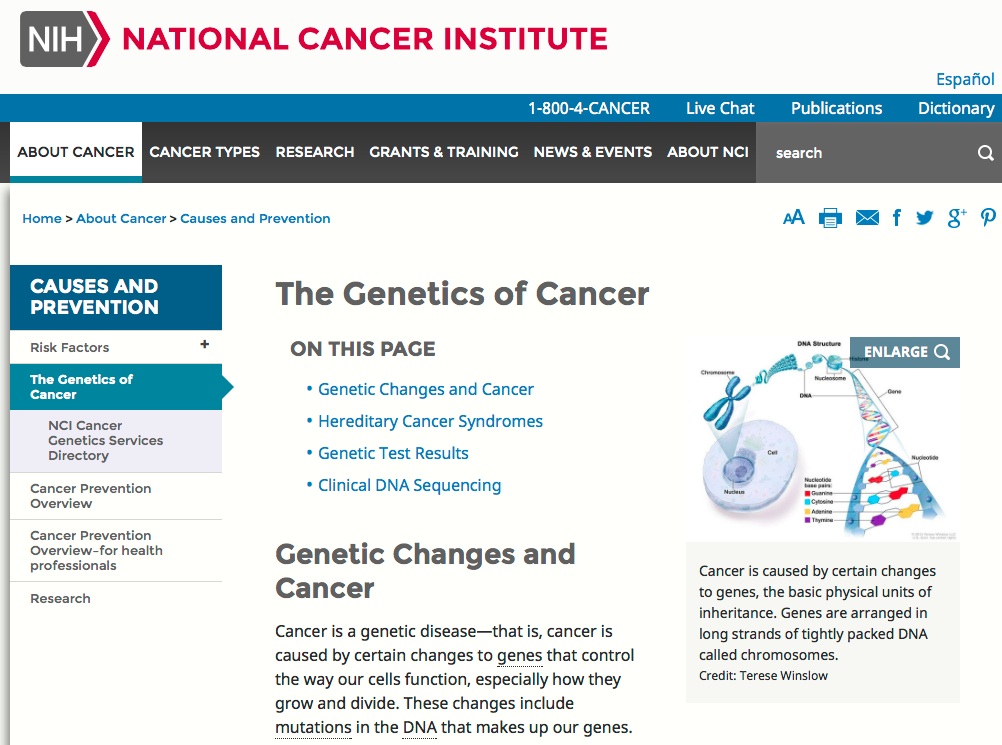
The National Institutes of Health highlights why every person needs to know their family history--it can be a matter of life and death with cancer.
The National Institutes of Health highlights why every person needs to know their family history–it can be a matter of life and death with cancer.

Adoptees like all other Americans should by legal right be entitled to this potentially life-saving information. The National Institutes for Health reports there are more than 6,000 genetic and rare diseases. These afflict more than 25 million Americans, and about 30 percent of early deaths can be linked to genetic causes. Genetic mutations play a major role in about 5 to 10 percent of all cancers, the second leading killer of all Americans, topped only by heart disease. Researchers have associated mutations in specific genes with more than 50 hereditary cancer syndromes, which are disorders that may mean some individuals are more likely to develop certain cancers.

For its part, the U.S. Centers for Disease and Control (CDC) identifies the role of genomes in other health issues, such as birth defects, chronic diseases, and congenital heart defects, and the CDC has created the Office of Public Health Genomics to promote research in the field. The U.S. Surgeon General in 2004 declared a Family History Health Day, on Thanksgiving, to promote greater awareness on the critical role of family medical history to promoting health—and by family history the nation’s leading medical advocate means only genetic family history. Family medical histories can identify people with a higher risks of heart disease, high blood pressure, stroke, and diabetes. A family medical history can also provide risks of rarer conditions caused by mutations, such as cystic fibrosis and sickle cell anemia.

Groups like the U.S. Preventive Services Task Force also use family health history information to recommend national screening and preventive services for conditions such as osteoporosis, hyperlipidemia, and breast cancer. The American Cancer Society recommendations for early breast cancer detection recently included changes in mammography recommendations that use family health history in decisions when a woman should begin mammography in persons with a family history where breast cancer is a known risk.

Ignore science and evidence and deny, deny, deny

To date, Michigan has prevented me for more than a quarter of a century from getting this document, by law. This is, on its face, discrimination against me simply because I am an adopted person. No other group of persons in Michigan, not even convicted felons, are denied this document on the basis of their status at birth.

The Wayne County Probate Court and my adoption agency, formerly Lutheran Children’s Friend Society of Michigan, did release most of my identifying information to me, however. But that was only after I found my birth family, spending two years searching, at great investment of my time, financial resources, and energy. They were compelled by law to release this information they once hid from me, in theory to promote some abstract benefit that is not proven anywhere in any research. I received no help from the adoption bureaucracy to secure my original records. Even though I have a copy of documents bearing my original birth name, my medical records during my adoption, my adoption decree, and other legal documents, the state’s outdated and archaic adoption bureaucracy has refused to discuss and work with me to obtain what I am legally entitled to: my original birth certificate.

To try and speed up this process, I am communicating directly with Director of the Michigan Department of Health and Human Services asking the leader of this state agency to resolve this simple bureaucratic records request without delay. I will have sent that document to Director Nick Lyon on March 21, 2016. I am excerpting below some of that request. In that note I outlined how Michigan openly discriminates against people by status of being adopted.

Legalized discrimination against adoptees, Michigan style. Yes, felons can get their certificates, but adoptees cannot.
Legalized discrimination against adoptees, Michigan style. Yes, felons can get their certificates, but adoptees cannot. This is published by the Michigan Department of Health and Human Services, outlining state law restricting rights for adoptees.

My goal is only to obtain what I should have been given years ago, and without further delay. By writing about this issue, I also hope to highlight how discriminatory state adoption laws continue to harm hundreds of thousands of U.S. citizens and deny them equal treatment under the law. Closed records are widely acknowledged by nearly all evidence to be harmful to birth parents, adoptees, and adoptive families. My story is just a small piece of that larger story. One story at a time, state laws might be changed. I am not expecting that to happen any time soon, however.

Excerpt of Letter to Director Lyon:

Laws that your legislatures have passed concerning adoption no longer apply to me, as I have already found my birth families, now for more than 26 years, in 1989. There is no longer any compelling state interest or legal or other rationale that justifies the state of Michigan holding an original record and what is mine by birthright. I know my original name (Scott Douglas Owens). …

However, your adoption staff personnel refused to discuss this situation with me when I called the Central Adoption Registry in October 2015. A staff member there returned my call but refused to discuss my legal reality that bypasses the need for me to fill out Form 1919 (Parent’s Consent/Denial to Release Information to Adult Adoptee). … When I tried to explain I already know everything about my birth family and birth records, she still told me, in essence, “Fill out the damn form.” It was one of the most embarrassing calls I have had with anyone in public service in my life, and I’ve spent decades serving the public now as a professional.

… this form is no longer legally required. The alleged purpose of the law is to supposedly provide a benefit to birth parents and adoptees, even in the face of overwhelming evidence such legal barriers are antiquated and all sides in adoption want to know each other. In this case, there is no longer any compelling legal justification to delay the release of my original birth record now. I already know my family. I already have my other birth records. I just want my original birth certificate.

Confronting Alzheimer’s disease and the promise of early in life lifestyle changes

At this point in my life, it is inevitable that people I know have been impacted by Alzheimer’s disease and/or dementia.

The Las Vegas Review Journal covered an AARP convention, showing a crowd of older American--millions will be impacted by dementia and possibly Alzheimer's disease.
The Las Vegas Review Journal covered an AARP convention, showing a crowd of older American–millions will be impacted by dementia and possibly Alzheimer’s disease.

A former friend of mine I used to run with has been diagnosed far too early in her 50s. Another friend’s mother finally passed away after battling the illness in assisted care for years. My friend’s family experience showed me first-hand how the disease’s many legal and caregiving duties can divide families when family members confront the illness in an elderly parent or spouse and try to sort out these roles. It can be very messy and often painful.

A family member of mine may have it, or perhaps another form of dementia.

Alzheimer’s or dementia?

I say “may” because a diagnosis of Alzheimer’s is only 100 percent certain following an autopsy of a victim after they die, revealing amyloid plaques and neurofibrillary tangles in the brain.

Some experts in the field claim nine out of 10 cases can be spotted with proper monitoring, MRI and PET scans, and what is often described as simple process of elimination.

Family members with a loved one in the midst of the disease will speak at length talking about the uncertainty of what condition their mother, father, or spouse has—with less certainly than promised by experts. This often leads to descriptions of drug regimes that are given to those with likely diagnoses.

Other diagnoses for dementia could include vascular dementia, or memory loss caused by microscopic bleeding in the brain; Parkinson’s disease, the degeneration of nerve cells that impacts one in ten Alzheimer’s patients; or maybe even dementia with lewy bodies (DLB), which can be concurrent to Alzheimer’s and mixed dementia. Another possibility is normal pressure hydrocephalus (NPH), a nasty ailment that builds fluid in the brain and causes cognitive impairment and problems with walking.

Familiarity with these possible diagnoses is a reality with tens of millions of Americans who have family members with a form of dementia.

Healthy activity throughout life is a proven way to reduce the risk of Alzheimer's according to a major study in The Lancet.
Healthy activity throughout life is a proven way to reduce the risk of Alzheimer’s according to a major study in The Lancet.

Enormous impact of Alzheimer’s disease

According to the Alzheimer’s Association and the Centers for Disease Control and Prevention:

  • About one in eight older Americans has Alzheimer’s disease.
  • It is the sixth-leading cause of death in the United States.
  • A whopping 15 million Americans provide unpaid care for a person with the disease or other forms of dementia.
  • Paying for care for the disease is staggering drain on the nation’s health care system, costing about $200 billion a year (2012 figure).
  • In 2013, an estimated 5 million Americans 65 years or older had Alzheimer’s disease, and the number could triple by 2050.

This does not cover the personal, psychological and health impacts the illness has on family members who serve as caregivers. The 36 Hour Day, the widely read and referenced book on the caregiving for those with the disease, addresses their many roles. These are day-to-day problems, from hygiene to wandering, to the major decisions that will occur, including placing a loved one in a care home. The title says it all.

I have sat in on sessions organized by the Alzheimer’s Association for adult children of those with the illness. I give the national organization a lot of credit for this kind of support network available nationally. What I have seen are tired, challenged, stressed, and at times sad people from all walks of life. It is humbling, because I am not a primary caregiver, and I can only sympathize even more with those who are.

The comfort I have taken from these experiences is knowing that the burdens are shared, but sometimes you are left breathless at what may await you and others, and ultimately yourself when you get older.

Some caregivers suffer more

Dementia and Alzheimer’s also put adult children in a caregiving role for parents who may have been lousy parents to the children when they were younger. One study found that among more than 1,000 adults caregivers, almost one in five reported physical, verbal or sexual abuse as children, while about one in 10 reported neglect.

Such caregivers likely will have higher risks of depression because of both the duties they confront and the moral dilemmas caregiving poses to them—being good to those who were not good them. (See Eleanor Cade’s book “Taking Care of Parents Who Didn’t Take Care of You.”)

Focusing on healthy activity earlier in life: the evidence

Alzheimer's groups now organize walking events to raise awareness; they should also try to promote walking as one of the best forms of intervention for everyone.
Alzheimer’s groups now organize walking events to raise awareness; they should also try to promote walking as one of the best forms of intervention for everyone.

One hopeful piece of research I found from the August 2014 edition of the health journal The Lancet, “Potential for primary prevention of Alzheimer’s disease: an analysis of population-based data,” noted early in life and upstream interventions could make a huge impact on the disease later in life. The authors of the study noted “… a third of Alzheimer’s diseases cases worldwide might be attributable to potentially modifiable risk factors. Alzheimer’s disease incidence might be reduced through improved access to education and use of effective methods targeted at reducing the prevalence of vascular risk factors (eg, physical inactivity, smoking, midlife hypertension, midlife obesity, and diabetes) and depression.”

The American Public Health Association cited this breakthrough study and reported reducing the risk of each risk factor by 10 percent, it might be possible to reduce Alzheimer’s prevalence by 8.5 percent by 2050. That would mean the 9 million fewer cases of the disease.

I shared this research with the Washington state chapter of the Alzheimer’s Association in the summer of 2014, when the group was taking public comment on their state action plan. I wrote to them citing this study and urging the organization to consider public health approaches that did not involve over-medication of patients and were based on population methods that could even be more cost-effective. I suggested the group participate in large-scale health fair activities that promote physical activities like walking earlier in life. I doubt these ideas took root—they require coordinated advocacy by families pushing against the “drug-solves-all” model.

Families looking for solutions beyond drugs

Aricept is the only drug approved for use in all stages of the disease, but not without some controversy from researchers and advocacy groups.

At the public meeting I attended in Seattle that had other family members with impacted parents, about half the people in the room voiced support for alternatives to drugs like Aricept (Donepezil), which groups like Public Citizen have voiced detailed concerns over. As someone who has sat in a room with many people dealing with parents on medication, it is very alarming to hear about the volume of drugs that their parents take. It may not even be clear a drug like Aricept is the best course, simply because someone with symptoms may not have the disease.

At this chapter meeting, I also felt hope seeing and hearing how committed many families—families that include elderly doctors suffering from Alzheimer’s—were to reducing and eliminating drugs that doctors prescribed for their parents. As the Mayo Clinic notes, current drug regimes may boost the performance of some brain chemicals, but they do not address the underlying conditions leading to the death of brain cells.

What happens when the patient says, ‘no’

Today I cannot receive one of the most common and beneficial oral health activities, a six-month dental visit with my dental provider, Kaiser Permanente.

Healthy Smile, photo by Rudy Owens.
Healthy smile, photo by Rudy Owens

The reason why? I am refusing to have a panoramic X-ray.

This potentially profitable medical procedure for some dental practices is a recent development in the oral health field that has followed the proliferation of the panoramic technology in the past several decades. However, these are not universally recognized in developed nations as a best health practice for routine dental care compared to bitewing X-rays, which my past dentists used. Neither is without risk. … [More of my guest column in the Sept. 16, 2015, Lund Report health newsletter can be found here.]

…………………….

For more information about the European Commission’s guidelines for recommended dental radiography practice and exposure to dental radiography, go to European Guidelines on Radiation Protection in Dental Radiology: The Safe Use of Radiographs in Dental Practice, produced by Victoria University of Manchester (United Kingdom). A more personal perspective on how a dentist may respond to one patient’s concerns about exposure to ionizing radiation can be found in the Daily Kos.

…………………….

UPDATE Sept. 20, 2015: One critic of my column printed on the Lund Report web site wrote this statement, apparently to correct the record about what the American Dental Association’s guidelines are:

The ADA’s guidelines from 2012 actually state that for new patients (such as Mr. Owen) a panoramic radiographic exam is recommended so it seems that Kaiser is following the ADA’s recommendation.

“Individualized radiographic exam consisting of Individualized evaluated for dental radiographic exam radiographic exam posterior bitewings with panoramic exam or radiographic exam, diseases and dental consisting of consisting of posterior bitewings and selected periapical based on clinical development selected periapical/ posterior bitewings images. A full mouth intraoral radiographic signs and occlusal views and/ with panoramic exam is preferred when the patient has symptoms. or posterior exam or posterior clinical evidence of generalized dental disease bitewings if bitewings and or a history of extensive dental treatment.”

I found this comment remarkable because the author of it, someone who identified him/herself as Peta Pita (likely an assumed name, and this person misspelled my name too), did not mention the statement that immediately precedes guidelines for all radiography recommendations for people of all ages. So this comment is factually inaccurate.

The ADA foremost states [I put in bold for emphasis]: “These recommendations are subject to clinical judgment and may not apply to every patient. They are to be used by dentists only after reviewing the patient’s health history and completing a clinical examination. Even though radiation exposure from dental radiographs is low, once a decision to obtain radiographs is made it is the dentist’s responsibility to follow the ALARA Principle (As Low as Reasonably Achievable) to minimize the patient’s exposure.”

What’s more, the ADA also states for adult patients the following (and this does not include panoramic radiography): “Adult dentate patients, who receive regularly scheduled professional care and are free of signs and symptoms of oral disease, are at a low risk for dental caries. Nevertheless, consideration should be given to the fact that caries risk can vary over time as risk factors change. Advancing age and changes in diet, medical history and periodontal status may increase the risk for dental caries. Therefore, a radiographic examination consisting of posterior bitewings is recommended at intervals of 24 to 36 months.”

I enclose a screen snapshot for those who may be unsure how to intepret a recommendation table. This section covers the issue mentioned above, just including recommendations for adults:

Note the statement on top of the table the is overarching guidelines any dental practitioner may wish to follow, if they choose to follow the ADA's recommendations. Note, the ADA does not represent how all countries and other international organizations who promote oral health set guidelines for dental radiography.
Note the statement on top of the table the is the overarching guideline any dental practitioner may wish to follow, if they choose to follow the ADA’s recommendations. Note, the ADA does not represent how all countries and other international organizations who promote oral health set guidelines for dental radiography. Remember, the U.S. health care system is the least efficient and most costly in the world, and a wealth of data highlight the over-use of unecessary medical tests as a major factor leading to this problem. Here is just one example of that: http://www.commonwealthfund.org/publications/fund-reports/2014/jun/mirror-mirror.

The ‘Cinderella Effect’ and the risks posed by stepparents to their stepchildren

Martin Daly and Margo Wilson’s research into the clearly identified risks that stepparents pose to their stepchildren has led to some of the most influential and path-breaking insights to emerge in the past three decades in the field of human psychology and evolutionary psychology.

Martin Daly
Martin Daly
Margo Wilson
Margo Wilson

The two Canadian-born researchers found overwhelmingly powerful evidence globally that stepparenthood has “turned out to be the most powerful epidemiological risk factor for child abuse and child homicide yet known.”

What’s more, they conclude in their influential 2002 paper, The Cinderella Effect: Parental Discrimination Against Stepchildren (1), that “non-violent discrimination against stepchildren is substantial and ubiquitous.”

Daly-Wilson graph on stepparent violence.

Daly and Wilson turn to the research done widely in non-human species on Darwinian selection. Under this model of “the selfish gene,” the care of dependent young will ordinarily be directed selectively toward close relatives of the caretaker.

Daly and Wilson write that “psychological adaptations that produce discriminative parental solicitude vary between species, in ways that reflect regularities in each species’ ancestral environment of evolutionary adaptiveness (EEA).”

According to Daly and Wilson, “there is nothing magical about parental discrimination: preferential treatment of one’s own young exists only where a species’ ecology demands it.” The two see no reason why the evolution of the human psyche would be excluded from this logic.

Daly and Wilson’s wealth of evidence

Daly and Wilson’s research provides clear epidemiological evidence, including the use of an archive of 87,789 validated reports of child maltreatment in the United States. They support their findings with dozens of peer-reviewed studies of stepparenting abuse across cultures that also find similar patterns of abuse and stress.

These findings have yet to be refuted in any serious peer-reviewed paper. They are constantly cited by critics, who fail to show any new evidence refuting their findings.

Daly and Wilson’s research also went well beyond lethal and abusive treatment of children by their non-genetic parents. The outcomes they list include show how medical care is restricted, education funding is withheld, and other forms of non-physical abuse and favoritism prevail. Some of the main findings include:

  • In several countries, including Canada and the United States, stepparents beat very young children to death at per capita rates that are more than 100 times higher than the corresponding rates for genetic parents.
  • Children under three years of age who lived with one genetic parent and one stepparent were estimated to be seven times as likely to be the victims of validated physical abuse as those living with both their genetic parents.
  • In a Korean study of schoolchildren in the 3rd and 4th grades, 40 percent of those living with a stepparent and a genetic parent were reported to be “seriously battered” once a month or more, compared to 7 percent of those living with both their genetic parents.
  • In Finland, 3.7 percent of 15-year-old girls living with a stepfather claimed that he had abused them sexually, compared to 0.2 percent of those living with their genetic fathers.
  • Consistent findings of research show that stepparents and stepchildren alike rate their relationship as less close and less dependable emotionally and materially, and that all parties in stepfamilies are less satisfied, on average, than persons living in intact first families.
  • Stepchildren suffer elevated rates of accidental injury, both lethal and nonlethal, from infancy onwards, likely because they are not monitored and protected as closely, and they experienced elevated mortality in general, not just from assaults.
  • Research in the island of Dominica has shown that stepchildren have chronically elevated levels of the stress hormone cortisol, which is strongly associated with worse health outcomes in nearly all categories.
  • Numerous American studies, controlled for parental means, have demonstrated that children living with stepmothers do not receive the same regular medical and dental care than children living with their genetic parents.
  • Less money is spent on food in stepmother households.
  • Fiscal support from families for higher education is substantially reduced for stepchildren, even when both parental wealth and the child’s scholastic record are statistically controlled.

    Fantasy land, the Brady Bunch, bears little resemblance to the complex reality of stepparent and stepchildren relations.
    Fantasy land, the Brady Bunch, bears little resemblance to the complex reality of stepparent and stepchildren relations.

Weighing the evidence, Daly and Wilson also note that most stepparents also find pleasure helping to raise the children of their partners, and that many stepchildren are better off in stepfamily situations than those where the parent did not remarry. However, they write stepparents do not feel the same “selfless commitment” common in genetic parents.

In response to their critics, Daly and Wilson cite that literally “hundreds of self-help manuals for stepfamily members” all focus on the difficult issue of how to cope with the characteristic conflicts of stepfamily life.

Research continues to verify findings of Daly and Wilson

Other researchers besides Daly and Wilson continue to verify their findings. For example:

  • Schnitzer and Ewigman (2008) in the Journal of Nursing Scholarship found that children residing within households with adults unrelated to them had nearly six times the risk of dying of maltreatment-related unintentional injury. But risk was not higher for children in households with a single biologic parent and no other adults in residence.
  • Stiffman, Schnitzer, et al. (2002) in the journal Pediatrics reported that children residing in households with adults unrelated to them were eight times more likely to die of maltreatment than children in households with two biological parents.
  • Harris, Hilton, et al. (2006), in a study of 378 cases of filicide (killing one’s son or daughter), found that at least five times as many of the child victims lived with genetic fathers, while the raw frequencies of filicide were roughly equal between stepfathers and biological fathers.
  • Tooley, Karakis, et al. (2005) reported that step-children under 5 years of age were at a significantly increased risk of unintentional fatal injury of any type, and of drowning in particular. They also reported that children from single-parent families were generally not found to be at significantly increased risk of intentional or unintentional fatal injury, while children who lived with neither of their biological parents were at greatest risk overall for fatal injury of any type.
  • A 2008 Scottish Government study found that living in a “reconstituted” family with step-children or stepparents increased the risk of developing behavioral problems.

The danger of ignoring the myth (that is backed by evidence)

The evil stepmother is universal and old as a myth, and research shows there is truth the folk stories rooted in evolutionary psychology.

The research by social scientists and epidemiologists undermines the Brady Bunch myth of a balanced family involving parents and children with no genetic relations—the guys in this family having no genetic relations to the girls. The more appropriate model to discuss the validty of research is the older and still maligned trope of an evil stepparent, notably the stepmother, as clearly acknowledged by Daly and Wilson in referencing Cinderella in their research title.

The wicked stepmother is a frequent character in folklore. This myth is older than feudalism, and found globally. The darker Brothers Grimm version of Cinderella (Aschenputtel) has her stepmother’s cruelty on full display, compared to simply wickedness in the Disney rendering. A recent cinematic evil stepparent was captured in the classic Cold War film thriller The Manchurian Candidate, which included an evil stepfather in partnership with his Soviet spy wife to manipulate her son to kill a presidential candidate and advance a dark Soviet conspiracy.

Evil stepfathers also exist in fiction, myth, and, sadly, real life for some families, but not all. This is the evil stepfather from The Manchurian Candidate plotting to take over the presidency with his wife, using her son as the patsy assassin.

Joseph Campbell, author of Hero with a Thousand Faces, notes that myths incorporated the tools that people used, and those tools are associated with power systems that are involved in the culture of their time. In the case of the trope of the evil stepparent, the myth has not been supplanted. Evidence shows otherwise. It is still alive for good reasons.

Why this matters for policy makers

There continues to be great stepparents and foster parents, by the thousands. I know many great people in both camps. They deserve praise for doing a job that may have few rewards and tremendous stress. I am in awe of those who I personally know (colleagues in Alaska).

However, policy makers, educators, law-enforcement agencies and social service agencies need to be reminded of very real risks of some family situations. The New Zealand-based nonprofit called Child Matters notes that having a stepparent is a known risk that should be considered for the well being of all children.

Efforts by “soft” social science publications, like Pscyhology Today, to downplay the valid research into the hazards stepfamilies can pose to innocent children do not help the group that needs the help most of all.

Our larger understanding of stepparenting should not, as Daly and Wilson write, “suffer from the misconception that a ‘biological’ explanation for stepparental violence is a claim of its inevitability and imperviousness to social controls, which, if accepted, will excuse the violence.”

They rightly claim that these misunderstandings block progress in understanding and helping kids. Acknowledging the evolutionary process and its relevance to human affairs can only help. I believe Daly and Wilson are spot in their claim that the most harm is done by “those who adhere to the implausible notion that stepparenthood is psychologically equivalent to genetic parenthood and that ‘bonding’ experience is sufficient to evoke the full depth of parental feeling.”

(1) Daly M & Wilson M (2002). The Cinderella effect: parental discrimination against stepchildren. Samfundsøkonomen 2002 (4): 39-46.

Ripping off the system, one patient at a time

This week, I attempted to do what consumers world over try to do: figure out the cost of a transaction to make an informed decision before I acted. Everyone from market shoppers in Malawi to mega-billionaires choosing to invest their capital does this. They all are promoting their self-interest and also trying to save or even make money.

I wanted to know what a doctor’s visit would cost and how much truly might be or might not be covered. If needed, I wanted to know if I had to find a better bargain, if the first option would not be an affordable activity with my plan. It might have been easier to walk across the Sahara barefoot, without water.

What I tried to do is impossible for American consumers trying to figure out the price of just about every medical procedure, doctor’s or dentist’s visit, and hospital activity.

Photo courtesy of Harvard, showing people protesting for health care access. But most of us want health pricing information too, and are prevented from getting that by providers and insurance companies.

Today, except the for very rich who do not need insurance, there is no such thing as a functioning U.S. health care market, where consumers can freely choose to pick their providers and choose lower-cost options. Insurance companies and providers do everything possible to hide prices and bully and even threaten insured consumers who are trying to make choices that occur in rational and functioning markets.

The Commonwealth Fund notes, “… the U.S. health care market is unlike any other market: patients rarely know what they’ll pay for services until they’ve received them; health care providers bill different payers different prices for the same services; and privately insured patients pay more to subsidize the shortfalls left by uninsured patients. What’s more, prices for health services vary significantly among providers, even for common procedures such as laboratory tests or mammograms, although there’s no consistent evidence showing that higher prices are linked to higher quality.”

The Commonwealth Fund argues that even some modest reforms in pricing transparency, with our broken system, could lead consumers to “receive high-quality services from lower-cost providers … This, in turn, could encourage competition among providers based on the value of care—not just on reputation and market share.”

So what does this have to do with me and my experience? Everything, actually.

Gauging consumers one by one: the thousand cuts approach:

For years, I have consistently tried to get dentists and doctors to give me a price quote before a visit. To date, I have never had any medical provider provide me prices or codes without fighting tooth and nail, and often it is with caveats that claim they are exempt from any responsibility if their pricing information is wrong, even with the diagnosis code for a routine checkup.

Here is how the health provider and health insurance fraud and rip-offs work, patient by patient, and this is how it recently happened with me.

Step one: Call the provider and have them evade sharing information.

  • “We can’t provide you a diagnosis code until you see the physician.” To which I reply, “I am trying to understand if the charge will be covered by my insurance company.” They answer, “We can’t do that because the doctor may do [fill the BS line that you prefer].”

Step two: Call the insurance company and have them not tell you if a possible charge by a provider is within their “usual and customary charges”—a term that is behind a wall of secrecy and never shared with consumers, ever.

  • “Hello, I’m trying to determine if my visit to my physician is covered and if the charges are within your accepted ranges.” They reply, “Sir, we can’t do that. We’d need to know the diagnosis codes and procedure codes before we can possibly investigate that.”
  • To which I reply, “Sir/mam, I don’t have that. Doctors’ offices never tell you that. I don’t have the codes.” Or, if I was able to get a code for a check up, “Here is the diagnosis code [fill in code], what is your accepted charge.”
  • The reply could be, “Sir, I told you we would need the diagnosis code to investigate…” Me interrupting, “Sir/mam, I just told you they won’t give me that code, and no doctor…” Them interrupting, “Sir, you are becoming agitated, stop interrupting me. I was saying we need the diagnosis….” Me interrupting, “I am not becoming agitated. I am behaving perfectly rationally. I just want to know what this will cost and how it will be covered.”
  • They reply, “Sir, I have already told you, without a diagnosis code and procedure code, we are not able to provide you…” Me interrupting again, “Sir/mom, did you just hear me when I said the office will not provide me with a diagnosis code.”

Usually such a song and dance can go on for about five or 10 minutes. In the end, the insurance reps will likely have bullied the consumer and employed their standard and tested propaganda that justifies preventing nearly all consumers from knowing if any medical procedure will truly be covered and at what level. The same works for hospitals, clinics, and other practices, who will not share their prices.

In short, they have created a system that perpetuates waste, fraud, and abuse, one patient at a time, systemwide—and it is a system that remains protected by powerful special and political interests who profit from this.

Who the hell created this mess and what it means:

We can thank our political process that encourages special interests to buy influence and bankroll candidates with campaign donations for a good chunk of this mess. We can also thank the so-called health insurance companies from protecting their market share that makes the United States the most inefficient and most expensive health care system among all developed nations.

The Commonwealth Fund in 2014 reported the U.S. trailed other developing nations in health care outcomes and costs.

The Commonwealth Fund also has found that the U.S. system underperforms and has worse outcomes than 10 other industrial nations, mirroring past findings. No surprises there—this fact has been reported by health and public health researchers now for years. The U.S. economy devotes an absurd 17.7 percent of GPD to health care spending, almost double that of its peers.

How the United States compares to its peers in health care spending by GPD. Source: Commonwealth Fund.

The Center for American Progress has described the consolidation of power by the bloated middlemen of our dysfunctional health care system as a crisis, due to consolidation and market control. The center reports the “lack of competition has led to growing insurer profits, increased costs and reduced coverage for enrollees, an epidemic of deceptive and fraudulent conduct, and rapidly escalating costs.”

Theodore Roosevelt in 1912 led one of the earliest efforts to support a national health plan in the United States, and received support from progressives at the National Progressive convention that year.

From the early 1900s to the present, major efforts to reform the U.S. health care system to create a national health system have failed. Some of the principal profiteers that have safeguarded the status quo are the monolithic health insurance companies, like Premera Blue Cross, my provider.

Other bloated health benefits providers include Aetna, Wellpoint, UnitedHealth Group, Cigna MetLife, and Humana. All of these companies are major political players who donate generously to members of Congress and state officials.

The health insurance model is a system vigorously defended by the GOP-controlled Congress, whose members theoretically support open markets, when in fact GOP members have attempted to derail the Affordable Care Act more than 50 times as of January 2015. And that reform was ultimately about reforming the existing health insurance market, not changing the system to promote openness in pricing or improving population health that is linked to universal health care systems.

The ACA only offered modest efforts to promote transparency. The law requires hospitals to publish and annually update a list of standard charges for their services. Other provisions about requiring exchanges to show prices are at best failed and complicated efforts that do nothing to break the wall of secrecy that has fed the beast that is our health insurance market.

The most pathetic part of this is, when I as a consumer try to do something, I am labeled a problem and seen as the bad guy. But I am OK with that, because doing the right thing always will meet with resistance. I have never kissed a doctor’s feet or behind, or those of companies that profit through monopolistic practices. I do not intend to start now. It just rubs me that today when I see the doctor, and tell him to make his pricing transparent, he will roll his eyes and give that “whatever look.”

My note to the Oregonian about its amazingly bogus reporting on “immunization debates”

The resurgence and outbreak of the most contagious virus on the planet, measles, has led to a swarm of media stories that have tried to report responsibly about the pockets of perpetrators of bogus science.

Even in the face of rock-solid research, done at the population level, proving without question that there is no link between autism and autism spectrum disorder and the measles, mumps, and rubella vaccine, the naysayers continue to promote ideas that have the same validity as racial eugenics of scientific quacks and Nazi racists. There are many parties who are helping to fan the flames of ignorance that threaten innocent children who have no ability to tell parent deniers that they put infants at serious health risks when they do not have their kids immunized from extremely infectious and very preventable illnesses.

This photo, courtesy of the BBC, shows a vaccine vial for the commonly used vaccine used to prevent the spread of very contagious viral illnesses.

Former Playmate Jenny McCarthy and clusters of deniers on both sides of the political spectrum are partially responsible for the resurgence of measles we are seeing around the country today.

What is particularly irresponsible is when formerly balanced media outlets choose to fan the debate flames to promote their products when there is no scientific or medical basis for claiming the issue is “a debate” as opposed to a public health crisis that requires layers of interventions to ensure the best health outcomes for all of us.

Tonight, I read the Oregonian newspaper’s story seeking to solicit input from science deniers with this astounding headline: “In the debate over vaccines, where do you stand?” At the bottom of the story were numerous blog comments that were not moderated. No surprise the journalistic adventure gave Portland’s now world-famous anti-fluoride, vaccination-denier, and anti-public-health community another platform to spout nonsense. Such sloppy journalism keeps bogus science alive and well, even when quackery like eugenics is now considered bad and un-modern. (In the end, quack science is still quack science.)

The Oregonian newspaper ran this story in its online edition on Feb. 4, 2015, which helps promote skepticism that is thorough debunked as junk science.
The Oregonian newspaper ran this story in its online edition on Feb. 4, 2015, which helps promote unproven public health skepticism that is thoroughly debunked as junk science.

Reporter Kjerstin Gabrielson wrote, “What influenced your decision to immunize or not immunize your children?  Has the recent measles outbreak in the United States swayed your opinion? What concerns do you have about immunizations? What concerns do you have about the diseases vaccines are designed to prevent?”

In response to the Jenny McCarthy style journalism I found, I chose to write this note directly to the reporter. Here it is. I hope she can make amends later for her journalistic transgressions and learn a little bit more the history of communicable diseases in the Oregon, where diseases like smallpox literally helped to wipe out many Native American communities before most white settlers arrived.

Letter Sent Feb. 4, 2015, by email:

Ms. Gabrielson: What exactly were you and your editors possibly thinking framing the public heath issue of a scientifically proven health intervention (MMR vaccination) that is used globally to save lives by giving precedence to  perpetrators of junk science whose ideas have now been thoroughly disproven by peer-reviewed, country-wide, and massive population-based studies showing absolutely no proven link to autism and the MMR vaccine?

Do you even understand what a population-based study is? Do you understand statistical significance or P-values? Do you understand the perpetrator of this bogus original article has been thoroughly debunked? Do you even know the history of this state where infectious diseases literally wiped out entire Native American villages on a scale that makes Ebola look like a mild chest cold?
 
If I were to start claiming, say that European Jewry was responsible for causing World War I and helped to defeat Germany, would you print an article with a headline talking about, tell us your thoughts on the debate about Jews’ role causing WWI. Would you open up your comment blog to Nazis and skinheads who will speak with utter sincerity using widely disproven racial eugenics theory that have the exact same scientific validity as those perpetrated by former Playmate Jenny McCarthy?
 
Wow.
 
Maybe you should learn about what happened to Native Americans in Oregon barely 160 years ago, due to smallpox and malaria. Maybe that might inspire you and your paper to use your brains. Promoting profits for junk reporting at the expense of public health is rather disgraceful if you ask me.
 

One of the best little health books ever published

Few books stay with me for long. I read them and give them away. One has stayed on my bookshelf, now for 26 years. That book is Dr. Stephen Bezruchka’s The Pocket Doctor. First published in 1982 by the Mountaineers, this pocket-size reference, now being published at a bit more than 100 pages, is exactly what its title implies. It is a guide to help a traveler cope with illnesses many people in the developing world face daily. You can buy it online from many vendors, like Powell’s Books.

The Pocket Doctor Cover
Cover of the second edition, 1988 version of Dr. Stephen Bezruchka’s The Pocket Doctor (personal copy).

I credit this book for saving my bacon and mental health on several best-forgotten nights. It helped me cope with medical problems that are normal for hundreds of millions of residents globally, and for me something I did not experience back in the comfort of the United States. But I am not the only writer and traveler who praises Bezruchka and his book.

Why many trust Bezruchka’s work

Bezruchka is a Canadian-born former emergency-room doctor trained at some of the nation’s best universities (Standford, Harvard, Johns Hopkins). He has both an MD and MPH. He has worked with medical specialists in the developing world, notably Nepal for 10 years. He also has written a great guide called Trekking in Nepal, which I used back in 1989. Today he is a lecturer on global health at the University of Washington School of Public Health (UW SPH) and a nationally recognized advocate for health care reform to improve public health outcomes and to eliminate health and income inequality.

I have taken this book with me now to three continents: Asia, Africa, and South America. I just cannot say goodbye to it, even when my developing-nation jaunts seem fewer and fewer.

The advice it provides has helped me to self-diagnose all manners of common gastrointestinal disturbances, such as food poisoning (nasty and scary in a crappy place), dysentery, and common diarrhea. I also used it to help me obtain the necessary medicine for what I still believe was malaria, which I had in Kigali, Rwanda in 1997.

With this book in my hand, I felt I could handle the predicaments that afflict visitors from developed countries to less-developed areas. In my 1988 published version, 13 pages are devoted to common drugs and medicines that address typical maladies, such as the  antibiotic ciprofloxacin, to tackle infections, with information laid out in a table on a drug’s use, likely place of need (city, remote, “third world”), form, and dosage.

Basic health care advice can be fun with good writing

Bezruchka’s writing is straightforward and direct. In his chapter on drugs, he begins his recommendation with a simple message: “Remember that drugs, though valuable, are not a cure all.” He provides advice on assembling a medical kit, working with doctors at home and abroad, and dealing with major sources of health problems—namely, food and water.

Bezruchka also highlights a major global health issue that is more severe than microbial agents, trauma from vehicle accidents. “Trauma, especially that caused by motor vehicle accidents results in the majority of disability acquired in developed countries,” writes Bezruchka. “This is even more true in third world countries. Trauma causes more disabilities to travelers in foreign countries than all the exotic diseases put together.” That observation remains true to this day, as shown in global health data.

Photo courtesy of the University of Washingston School of Public Health faculty photo.
Faculty photo of Dr. Stephen Bezruchka, courtesy of the University of Washingston School of Public Health web site.

But there is much more. Rabies? Check. Animal attacks? Covered. Ticks and leeches, fever, rashes? All addressed. The two-page section, in my old and battered version, on dealing with stress in less-developed nations is a classic summary of what many first-world travellers experience.

“If the culture shock of a third-world setting with its attendant poverty and hopelessness have you in despair, take steps to improve your psyche,” writes Bezruchka. “Seek out help, another traveler, or a religious organization or individuals.”

Bezruchka even has sections on death and how to cope with returning from travels with an illness. I definitely experienced lingering issues when I came back and took this advice to heart.

Meeting Bezruchka later in life

When I first met Bezruchka in person during my studies at the UW SPH, I mentioned how much I enjoyed his book and used it frequently in Nepal. I even mentioned how enterprising Nepalis had published black-market copies of his book they were peddling on the streets in Kathmandu. As I recall, he considered that a compliment to the value of his work.

Sometimes small and perfectly executed creations are ones that have the most impact. In Bezruchka’s case, there is far too much to choose from to say what is best—from published papers to advocacy to mentorship of future health leaders. I will submit this still fine tome as work that stands the test of time and proves that small is often better.